Lifting
Laser Lifting Treatment Intervals and Reasons
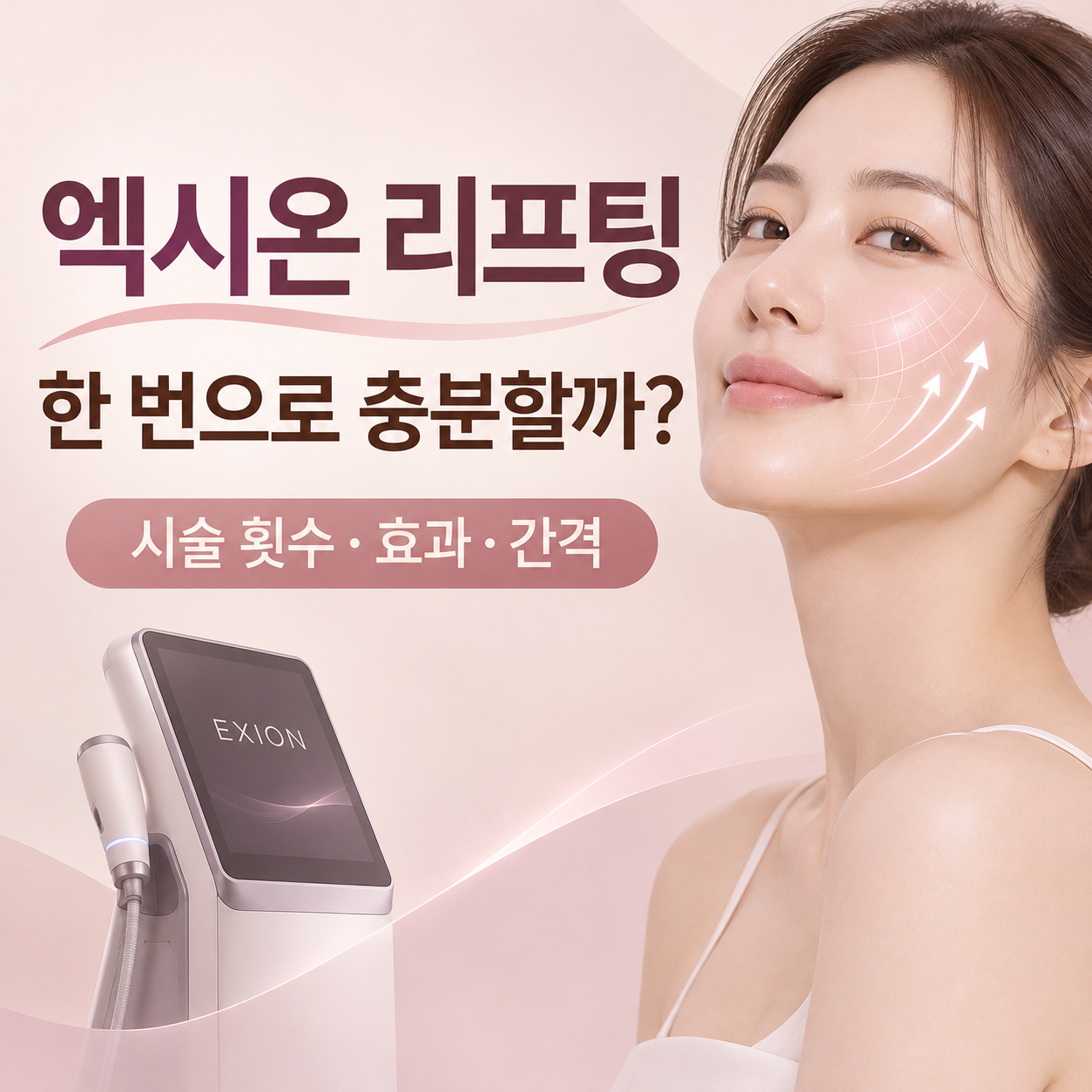
Laser lifting is not simply a treatment to be repeated at fixed dates. The key factors in determining the treatment interval are the type of device, energy intensity, skin recovery status, and collagen regeneration response. Rather than repeating treatments at unconditionally short intervals, it is important to accurately assess your skin condition and proceed with maintenance at the appropriate time.

Why should laser lifting be performed periodically?
1. Because collagen decreases over time
Collagen in the skin is an important protein that maintains skin elasticity and support. As we age, collagen production decreases and existing collagen breaks down, which can cause the skin to thin and lose skin elasticity.
2. Because treatment results are not completed immediately
Laser and energy-based lifting delivers thermal stimulation into the skin to induce collagen regeneration and remodeling. It takes a certain amount of time for new collagen to form and tissues to reorganize.
3. Because aging is a continuous process
Even if skin elasticity improves with a lifting treatment, the natural aging process itself does not stop. Since skin elasticity may decrease again over time, maintenance may be necessary.
4. Because the duration of effects varies depending on skin condition
The treatment results and duration of effects vary depending on skin thickness, the degree of decreased elasticity, fat layer distribution, age, lifestyle habits, and other factors.
Recommended Treatment Intervals by Laser Lifting Type
Not all lifting devices have the same interval. Differences depend on the depth and method of energy delivery, as well as the degree of stimulation applied to the skin.
Treatment Type | Typical Treatment Interval |
|---|---|
Non-ablative laser lifting | 3–5 sessions, spaced several weeks apart depending on the device |
Fractional laser | Multiple sessions at intervals of approximately 4–6 weeks |
Radiofrequency lifting | 6–12 months or longer depending on the device |
Ultrasound lifting | Maintenance generally around 12–18 months |
Why Treatment Intervals Differ
Laser Lifting
Delivers light energy to the skin to induce thermal stimulation. Multiple repeat sessions may be required depending on the device, and gradual changes can be expected as collagen regeneration progresses following treatment.
Radiofrequency Lifting
Uses radiofrequency energy to heat tissues such as the dermal layer. It induces collagen contraction and remodeling, and monopolar radiofrequency lifting is often suggested to have a maintenance interval of around 1 year.
Ultrasound Lifting
Focuses ultrasound energy at specific depths to form thermal coagulation points. Because it induces tissue reactions and collagen remodeling in deep skin layers, it is often performed at relatively longer intervals.
Why Laser Lifting Should Not Be Performed Too Frequently
Lifting is a treatment that provides appropriate stimulation to the skin to induce recovery and regeneration processes.
Therefore, excessively short treatment intervals may place undue stress on the skin.
Insufficient skin recovery time: Additional stimulation may be applied before the thermal stimulation and inflammatory response from the previous treatment have sufficiently recovered.
Skin barrier damage: Depending on the treatment type and intensity, erythema, dryness, and irritation may persist for an extended period.
Excessive thermal stimulation: Inappropriate energy levels and session frequency carry risks of side effects such as burns and hyperpigmentation.
Unnecessary repeated treatments: Performing additional sessions while a sufficient response is already occurring does not necessarily increase effectiveness proportionally.
In particular, if redness, heat sensations, pain, or dryness persist, it is advisable to check your skin condition first rather than undergoing additional treatments.
When Results Appear After Treatment
Immediately after treatment: You may feel a temporary tightening of the skin due to heat-induced collagen contraction.
1–3 months after treatment: As the collagen remodeling process progresses, improvements in skin elasticity and fine lines may gradually become noticeable.
3–6 months after treatment: With some energy-based lifting, results may become even more pronounced during this period. Subsequent maintenance is determined according to individual skin condition and the device used.
Cases Where Lifting Care Is Recommended
When the jawline has lost definition and facial contours have become blurred compared to before
When skin around the cheeks is sagging and nasolabial folds have deepened
When skin has thinned and skin elasticity has decreased
When fine lines and skin texture are concerns at the same time
When skin sagging has occurred after rapid weight changes
FAQ Regarding Laser Lifting Intervals
Q. Can I receive laser lifting once a month?
A. It depends on the device. Certain low-intensity lasers or fractional treatments can be repeated at intervals of several weeks, but high-intensity ultrasound or radiofrequency lifting may require longer intervals.
Q. Can consistent lifting treatments prevent aging?
A. While it can help support collagen production and improve skin elasticity, it cannot prevent aging itself. Appropriate maintenance, sun protection, and lifestyle management are equally important.
Q. Should I get retreated immediately once the lifting effect diminishes?
A. Not necessarily. It is recommended to decide after confirming whether the results of the previous treatment have fully appeared, whether the skin tissue has recovered, and assessing the current skin condition.
Go to TING CLINIC Official Blog
This content is for general medical information and does not replace diagnosis or treatment. Treatment effects and side effects may vary, so consult a medical professional.