Booster
The Difference Between Juvelook Skin and Juvelook Volume: Which Treatment Is Right for My Skin?
The Juvelook Skin line uses relatively small particles and is used to improve skin texture and fine lines. Juvelook Volume uses relatively large particles and is utilized to replenish deficient facial volume, such as sunken cheeks and hollow temples.

01. What is Juvelook?
Juvelook is a medical device for tissue reconstruction that uses PDLLA (poly-D,L-lactic acid) and hyaluronic acid (HA) as its main ingredients.
These two ingredients each have distinct characteristics.
PDLLA works to induce a collagen-producing response.
When injected into the skin tissue, PDLLA microparticles trigger a biological response in surrounding tissues and can induce collagen formation over time.
Hyaluronic acid possesses water-attracting properties, playing a role in maintaining tissue moisture and volume changes during the initial period following injection.
Due to these characteristics, Juvelook is utilized for structural skin improvement and volume supplementation.
However, the degree of collagen production and treatment outcomes may vary depending on individual skin conditions, injection techniques, treatment areas, and other factors.
02. Juvelook Skin vs. Volume: What Is the Biggest Difference?
Both products share the common feature of using PDLLA and hyaluronic acid as their main ingredients.
However, differences lie in particle size, product concentration, and injection purpose.
Juvelook Skin
Juvelook Skin is considered when managing concerns relatively close to the skin surface, such as skin texture and fine lines.
Generally, the Juvelook line utilizing smaller PDLLA particles is used to manage delicate areas of the skin.
It can be utilized to improve skin texture, fine lines, and prominent pores, and is considered when seeking to manage overall skin quality.
Juvelook Volume
Juvelook Volume uses relatively large PDLLA particles and is utilized to supplement volume in deep soft tissues.
It can be considered when three-dimensional volume changes are needed, such as for sunken cheeks, hollow temples, and deep wrinkles.
The key difference is that instead of simply managing skin elasticity on the surface, it focuses on supplementing volume and facial contours in sunken areas.
03. Why Juvelook Skin and Volume Have Different Particle Sizes
To understand the difference between the two products, it helps to understand PDLLA particles.
PDLLA is an ingredient that induces collagen formation through biological reactions in surrounding tissues after being injected into the skin.
At this stage, particle size can affect tissue distribution and application purposes.
Standard Juvelook is reported to have a PDLLA particle size of approximately 20–40 µm, while Juvelook Volume is reported to be around 40–60 µm.
Relatively small particles are designed to be suitable for delicate areas of the skin, whereas larger particles are utilized for volume improvement in deep tissues.
Of course, a larger particle size does not necessarily mean that more collagen will be produced or that the effect will be unconditionally superior.
What matters most is which skin layer it is applied to and for what purpose.
04. Juvelook Skin: Which Skin Concerns Is It Suitable For?
The Juvelook Skin line can be considered when you want to improve skin texture and overall skin condition, rather than significantly altering overall facial volume.
Skin with Prominent Pores
When skin elasticity decreases, the structural support around the pores weakens, making them appear more noticeable.
Juvelook is sometimes used to improve the skin condition around pores based on its property of inducing collagen remodeling.
However, pore size is influenced by various factors such as sebum production, genetic factors, and skin aging, so the same outcome cannot be expected for every pore.
Skin Concerned with Fine Lines
As aging leads to collagen loss and diminished skin elasticity, fine lines may appear around the eyes and cheeks.
In such cases, a collagen booster treatment tailored to your skin condition can be considered.
However, for delicate areas like the eye contour where the skin is thin, the product and injection technique must be chosen carefully in light of risks such as nodule formation.
Rough Skin Texture and Reduced Elasticity
When skin becomes thin and loses elasticity, leading to an uneven texture, improving the skin condition using the Juvelook line can also be considered.
Skin Concerned with Indented Acne Scars
Certain depressed acne scars are associated with tissue loss or fibrous tethering within the skin.
Juvelook is sometimes used alongside other therapies to help improve these scars.
However, depending on the scar type and depth, other treatments such as subcision or laser procedures may be required.
05. Juvelook Volume: Which Skin Concerns Is It Suitable For?
Juvelook Volume can be considered when you wish to restore three-dimensional facial volume rather than subtle surface-level skin changes.
Cheek Hollows and Sunken Cheeks
With age, changes in the amount and position of facial fat can cause the subzygomatic area or mid-cheeks to appear hollow.
Juvelook Volume is utilized in treatments to replenish soft tissue volume in these areas.
However, the appropriate treatment may vary depending on whether the hollow cheeks are caused by fat loss, skeletal structure, or skin sagging.
Hollow Temples
When temple volume is lacking, the cheekbones may appear relatively prominent or facial contours may look uneven.
In such cases, the treatment can be considered to improve volume.
Because important blood vessels traverse the temple area, even greater caution is required during treatment.
Nasolabial Folds and Deep Wrinkles
Nasolabial folds are not merely skin creases; they develop from a combination of factors including decreased skin elasticity, fat compartment changes, and skeletal structure.
Juvelook Volume can be utilized when soft tissue support and volume replenishment are required.
However, not all nasolabial folds can be resolved with volume treatments alone.
06. Juvelook Skin vs. Volume: Quick Comparison
Category | Juvelook Skin Line | Juvelook Volume |
|---|---|---|
Main Ingredients | PDLLA + HA | PDLLA + HA |
Particle Size | Relatively small | Relatively large |
Main Purpose | Skin texture and fine line care | Volume and contour supplementation |
Treatment Area | Areas of concern for skin texture and fine lines | Areas with cheek hollows, temples, and deep wrinkles |
Injection Plane | Utilized in relatively superficial layers | Utilized in relatively deep soft tissues |
Pattern of Change | Gradual improvement in skin condition | Gradual change in volume |
Selection Criteria | Concerned with overall skin quality | Concerned with volume loss in sunken areas |
07. How Does Juvelook Volume Differ from Conventional Fillers?
Many people consider Juvelook Volume to be similar to standard hyaluronic acid fillers.
However, the two treatments differ in the mechanism by which they build volume.
Conventional cross-linked hyaluronic acid fillers rely on the injected material directly creating physical volume, making them suitable for relatively immediate shape changes.
In contrast, Juvelook Volume is characterized by inducing gradual tissue changes through a PDLLA-mediated collagen formation response.
Initial volume changes may be observed due to the co-formulated hyaluronic acid, carrier fluid, and post-treatment swelling, followed by a gradual progression of changes driven by tissue response.
Therefore, different approaches may be required depending on whether immediate, precise shape correction is desired or gradual volume improvement is preferred.
Additionally, unlike conventional hyaluronic acid fillers, it must be considered that the primary active component, PDLLA, cannot be easily dissolved and removed with hyaluronidase.
08. When Do Results Appear After Juvelook Treatment?
With Juvelook, it is important to distinguish between changes observed immediately post-treatment and changes that develop over time.
Immediately after the procedure, the skin may look different due to the injection fluid, hydration changes, and swelling.
In contrast, collagen formation and tissue remodeling induced by PDLLA proceed gradually over several weeks to several months.
Therefore, it is difficult to assume that volume changes visible immediately after treatment will remain as they are.
Treatment outcomes and duration of results vary based on individual differences, including the product used, injection dose, treatment intervals, and skin condition.
09. What Precautions Should Be Kept in Mind for Juvelook Treatment?
It is essential that Juvelook is used appropriately according to individual skin condition.
In particular, because it involves PDLLA particles, factors such as injection depth, volume, product dilution, and reconstitution procedures are critically considered.
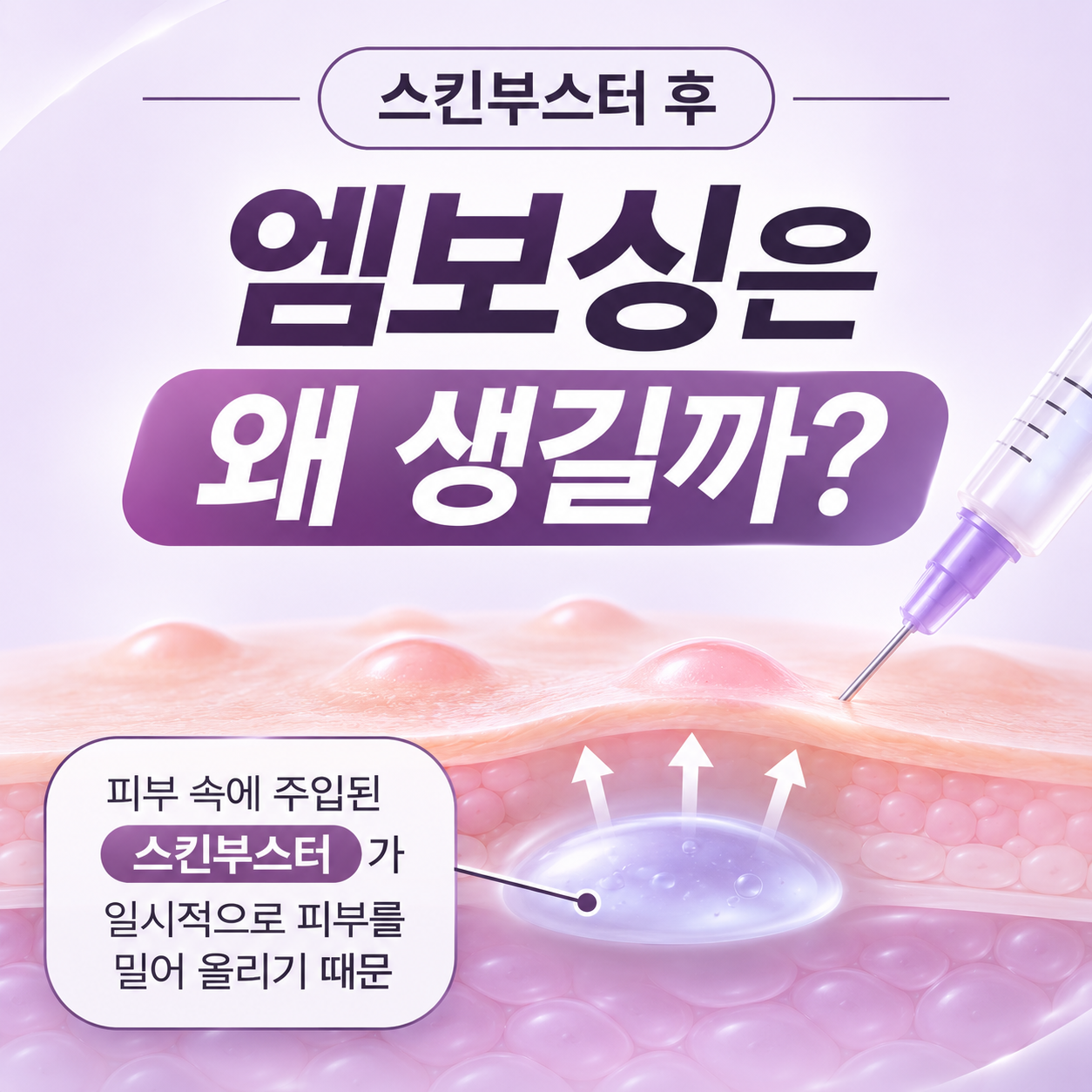
After treatment, temporary swelling, pain, redness, and bruising may occur; in some cases, delayed adverse reactions such as nodules or granulomas may develop.
Although rare, serious complications such as vascular occlusion, skin necrosis, and visual impairment can occur if product is injected intravascularly.
If severe pain, skin discoloration, or visual abnormalities occur after treatment, you must seek medical care from a medical team immediately.
Therefore, rather than choosing based solely on product concentration or treatment dosage, it is crucial to accurately evaluate your individual facial anatomy and skin condition.
Visit TING CLINIC Official Blog
This content is for general medical information and does not replace diagnosis or treatment. Treatment effects and side effects may vary, so consult a medical professional.